Engine repair vs. replacement: what does the estimate include?
Clarify repair evidence, short-block and long-block scope, transferred components, and cause correction before approving an engine job.
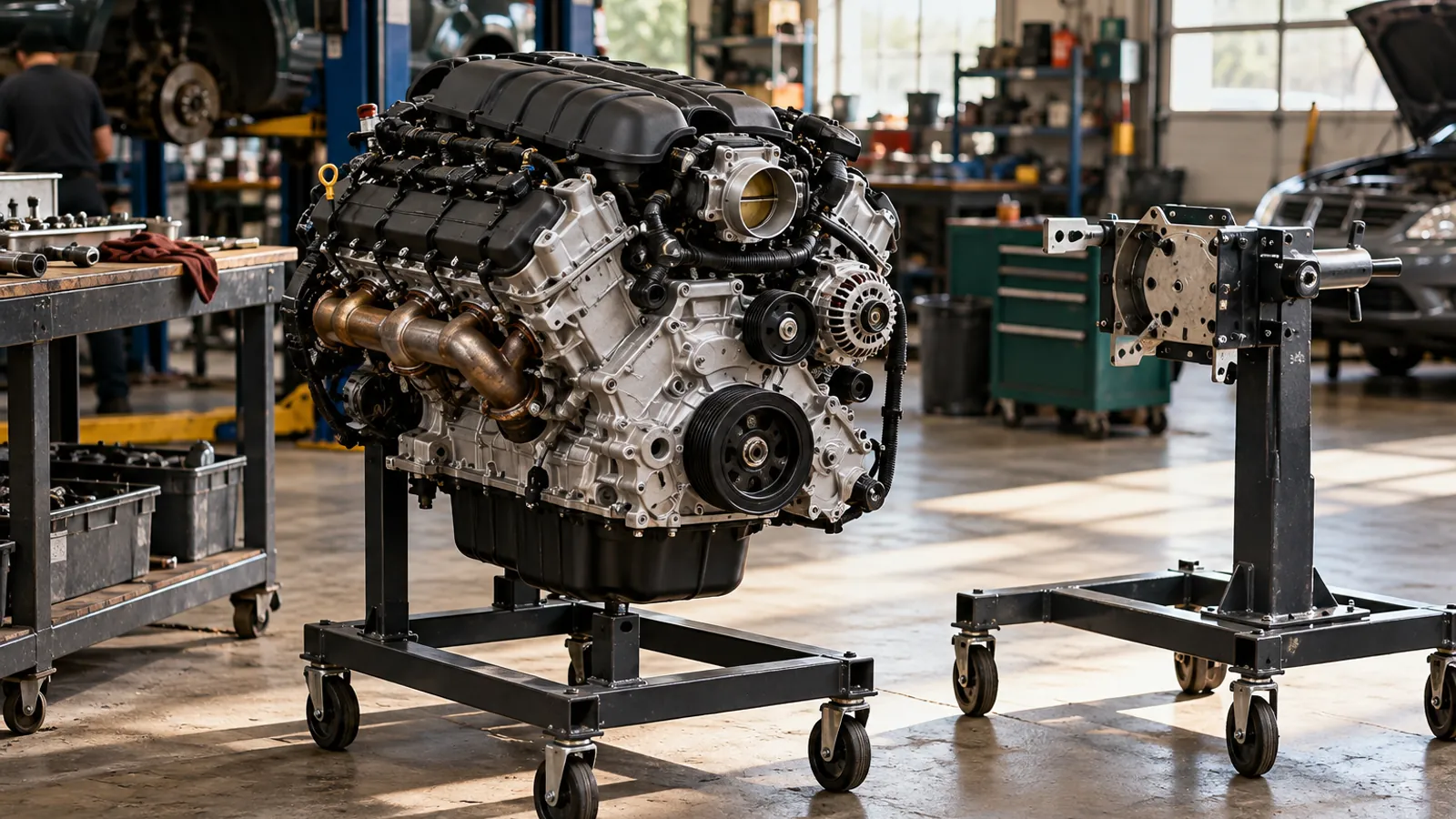
An engine replacement estimate should identify the evidence for replacement and the exact assembly being supplied. A large bill does not establish that replacement is necessary; a small bill does not establish that a targeted repair is adequate. Ask the technician to explain the findings in ordinary language and distinguish observations from conclusions. This article is a scope-reading guide, not a diagnosis or an engine repair procedure.
Give the shop the symptoms and sequence of events: warning messages, overheating, noises, fluid loss, loss of power, and previous work. Avoid opening a hot cooling system or running an engine to demonstrate a dangerous symptom. Follow the owner’s manual and ask a professional whether the vehicle should be towed. Safety decisions come before cost comparison.
Ask what the assembly contains
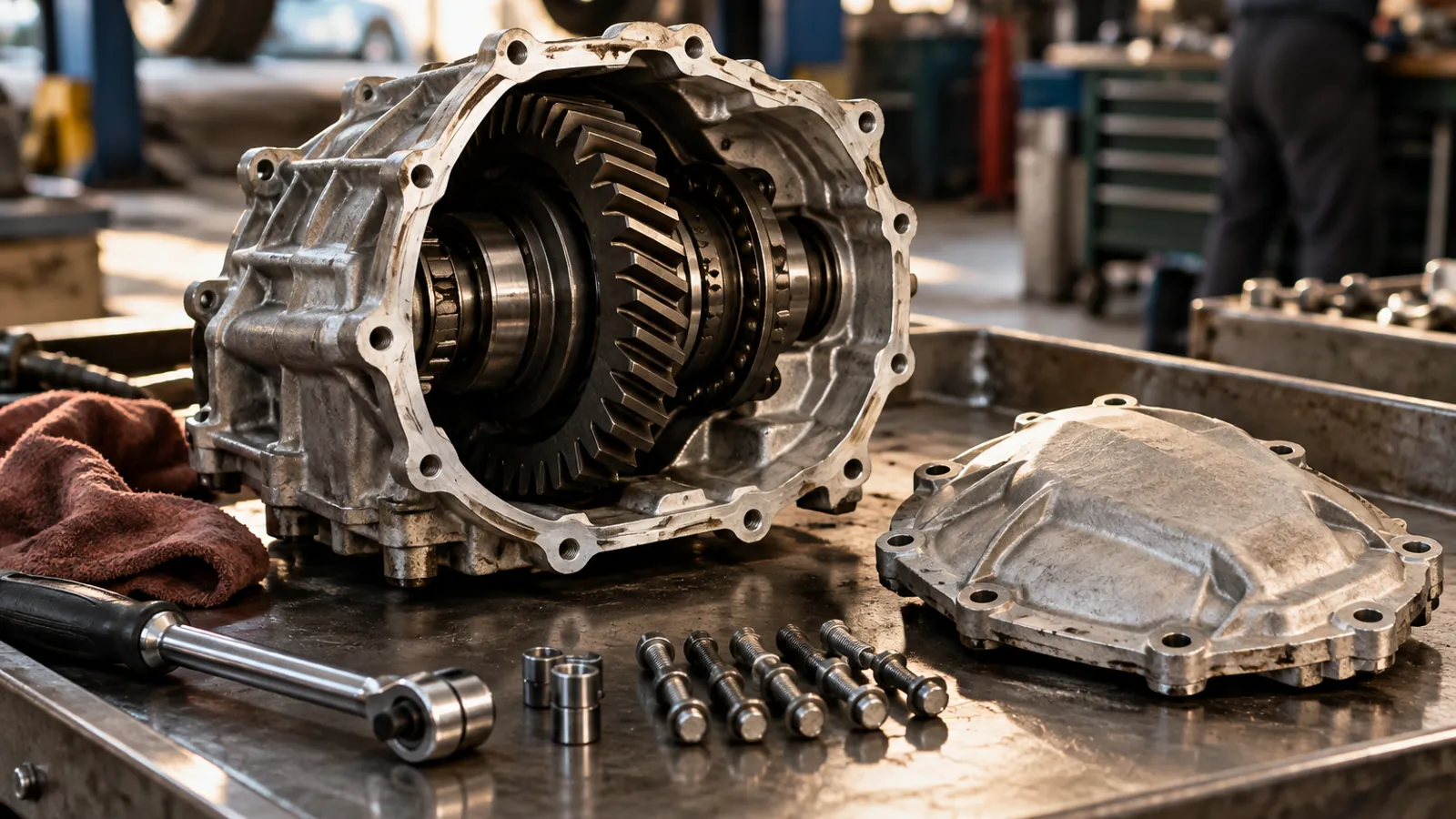
Terms such as short block and long block describe different assembly scopes, but the supplier’s actual included-parts list controls your comparison. Ask which components arrive on the unit, which transfer from your engine, and which are replaced separately. Do not assume a product photo shows everything included in the sale.
| Scope question | Document to request |
|---|---|
| Which assembly is supplied? | Part number and included-parts list |
| What transfers from the old engine? | Itemized installation scope |
| Are related repairs required? | Findings and separate line items |
| What programming or setup applies? | Installer’s written plan |
| Who covers a repeat failure? | Parts and labor warranty |
The same vehicle model can have different powertrain configurations. Let the supplier and installer confirm compatibility from the correct vehicle information rather than relying only on a general internet listing.
Correct the cause, not just the consequence
Ask whether the proposed job addresses the reason the engine was damaged. A replacement assembly may not resolve a separate cooling, lubrication, fuel, or control-system problem that the technician finds. This is not a claim that one of these caused your failure. It is a prompt to ask how the diagnosis and the installation plan connect.
Separate necessary supporting work from optional maintenance that is convenient while access is available. Ask the shop to mark which category each extra item belongs to and explain the consequences of declining it. A sensible access-saving opportunity still needs a clear price and your authorization. If the cause remains uncertain, request the next investigative step and its limit before approving a final package.
Build an illustrative comparison
Suppose a hypothetical assembly is listed at $3,000 and installation at $1,500. That is a $4,500 subtotal before other charges, not a complete repair quote. If required related work is $400 and fluids and materials are $200, the comparable subtotal becomes $5,100 before applicable tax. All amounts in this example are illustrative and do not represent a surveyed or typical engine price.
Compare a second proposal only after identifying the same categories. If it includes accessories that the first proposal transfers from your old engine, describe that difference explicitly. If one quote is contingent on disassembly, its total remains provisional. The arithmetic should make uncertainty visible rather than conceal it inside a single reassuring number.
Plan the handover
Before approval, ask about the expected start point, parts availability, storage terms, and how changes will be communicated. Before pickup, request the invoice, assembly identification, warranty document, instructions, and any follow-up requirements. A deadline is an estimate unless the shop has agreed to something more definite; record how transportation arrangements will be handled if timing changes.
Keep maintenance records after the repair and follow the actual supplier and manufacturer instructions. Do not invent a generic break-in schedule from an unrelated engine. If coverage requires a documented procedure, obtain it in writing and ask who performs it. For a disputed recommendation, an independent second opinion can clarify the evidence before the vehicle is disassembled beyond easy transport.
Keep transferred components visible
A replacement engine may reuse components that are not included with the supplied assembly. Ask the installer to identify these without assuming they are defective or requiring automatic replacement. The useful distinction is between components assessed as suitable for transfer, components requiring further inspection, and components included in the new scope.
When two proposals differ, ask whether they are transferring the same items and whether either estimate depends on their condition after removal. An apparent price gap can reflect a different included-parts package rather than a different labor rate. Record those differences before negotiating the grand total.
If the shop recommends optional work while access is available, request its price separately and ask what evidence supports the timing. Convenience is a decision factor, but it is not the same as necessity. Keep any accepted optional work in the authorization record so the final invoice can be reconciled without relying on a remembered conversation.
Questions before you decide
Does a long block include every accessory?
Do not assume so. Ask for the specific supplier’s included-parts list and a list of components transferred or purchased separately.
Should I replace the whole engine after overheating?
A professional inspection is needed. Ask what testing supports the scope and whether the cause of overheating is addressed.
Are these dollar amounts price guidance?
No. They demonstrate addition only. Obtain a written vehicle-specific estimate for current local pricing.
Continue with the same decision
- Transmission and engine repair cost: start with the scope
- Transmission rebuild vs. replacement: compare the actual work
- Diagnostic and teardown charges: buy an answer in stages
- Compare repair approaches
- Use the labor and parts worksheet
Official sources and limits
- Federal Trade Commission — Auto Repair Basics — written estimates, repair terminology, and warranty questions.
Source links checked October 30, 2026. Dollar examples are illustrative, not surveyed prices. State-specific requirements are labeled and must be checked for the location of your repair. No licensed mechanic or attorney has reviewed this guide.