Transmission rebuild vs. replacement: compare the actual work
Compare a targeted repair, rebuild, remanufactured unit, and used transmission by evidence, scope, installation, and written coverage.
A transmission rebuild and a replacement are different repair scopes, so compare the diagnosis and included work before comparing price. Ask the shop to explain the original complaint, what was inspected, and why the proposed approach addresses it. A symptom such as delayed engagement or unusual shifting is not enough for this site to identify an internal failure. A diagnostic code is part of the evidence, not a complete parts order.
California BAR publishes transmission-specific accepted trade standards, including external inspection before removal in the circumstances described by its rules. This is a California requirement, not a nationwide promise. Its practical lesson for a customer elsewhere is still useful: ask whether the shop has considered causes outside the assembly before you authorize removal. Do not attempt an adjustment or fluid procedure based on this article.
Define each proposal
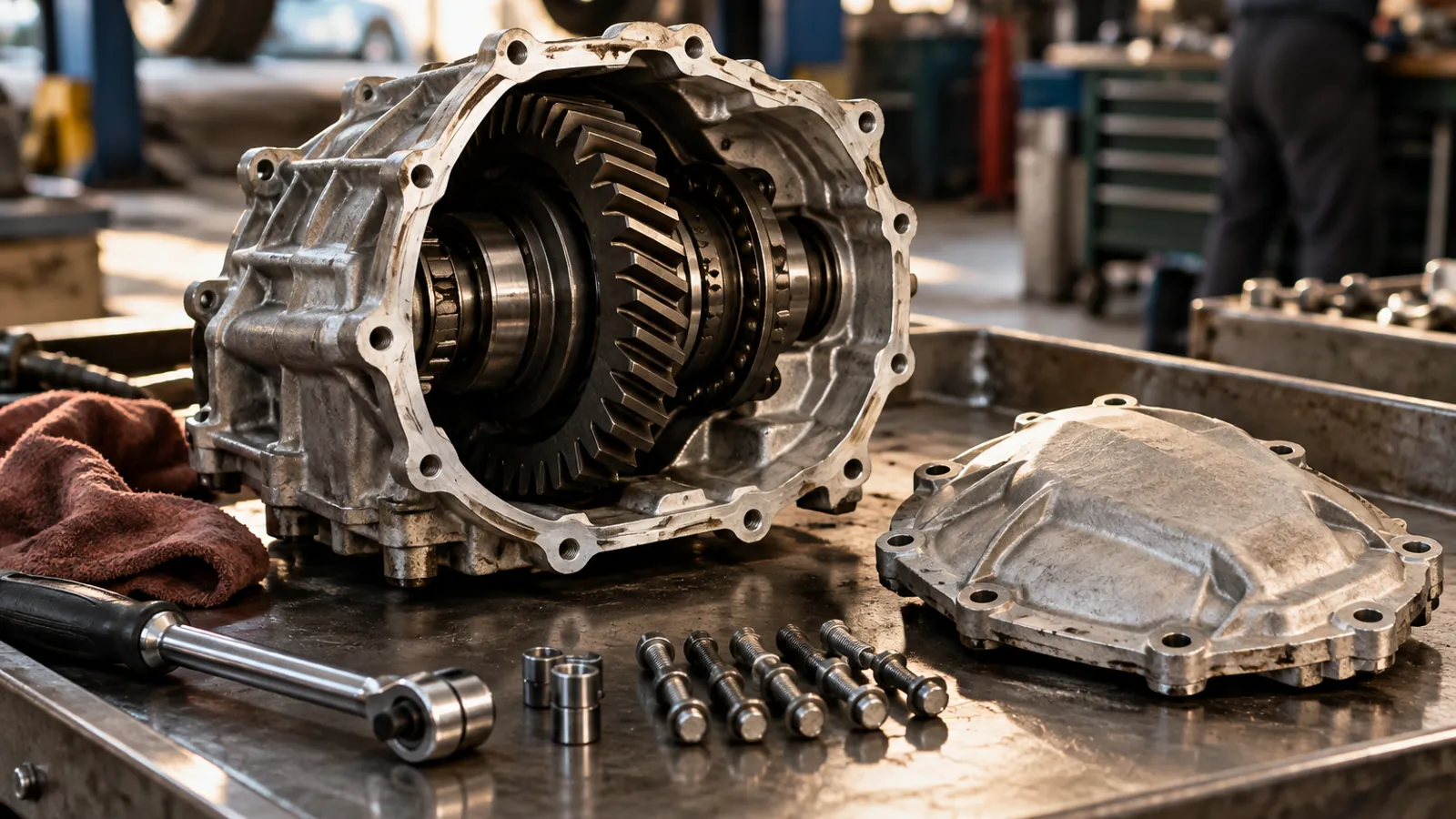
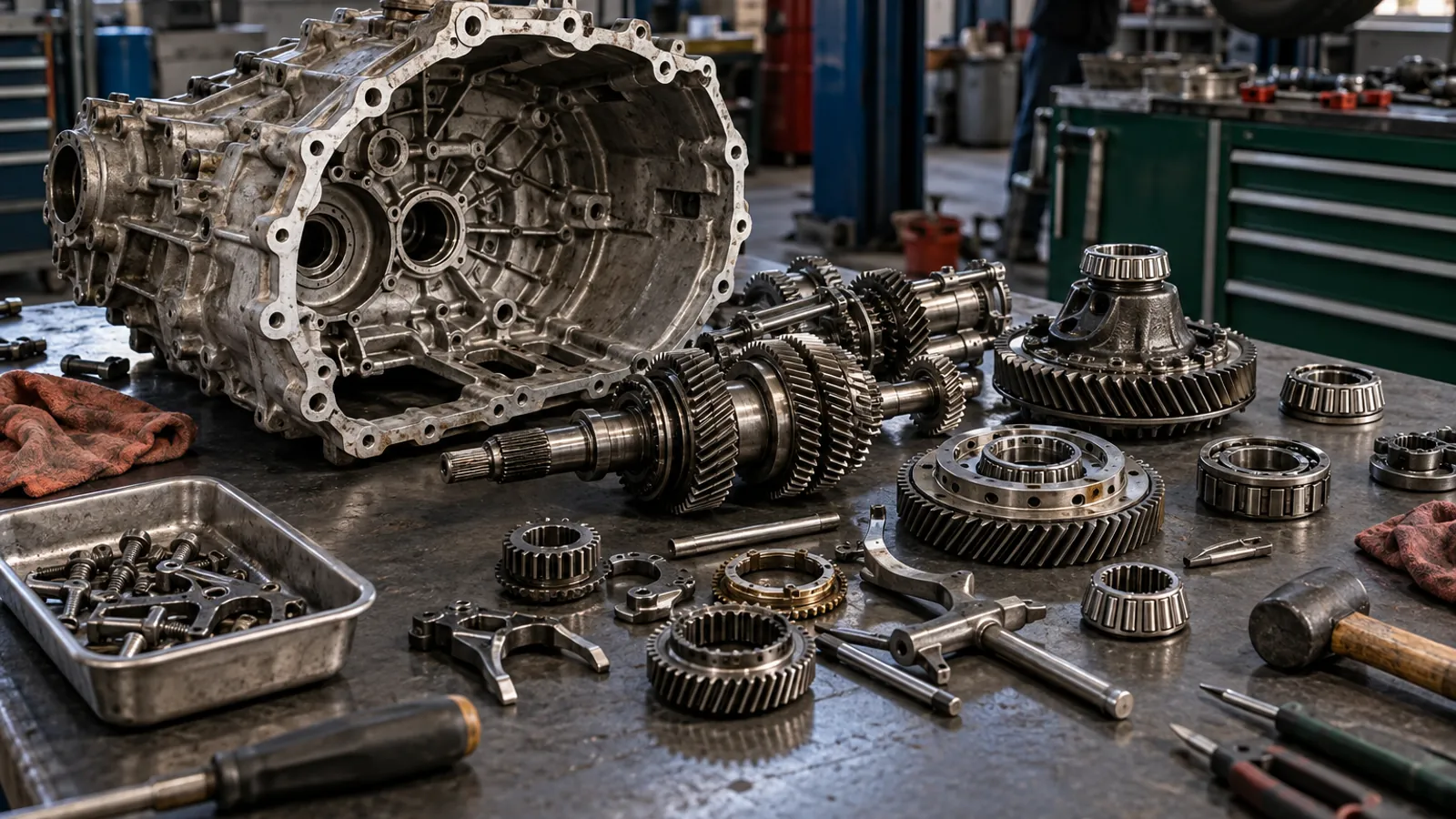
A targeted repair addresses a defined fault while leaving most of the assembly in place. A rebuild generally involves your unit being disassembled and repaired to the agreed scope. A remanufactured or used unit is a replacement assembly with its own supplier terms. The name alone does not tell you exactly what has been renewed or tested.
| Proposal | Scope to clarify | Follow-up question |
|---|---|---|
| Targeted repair | Specific fault and access work | What evidence supports it? |
| Rebuild | Inspection and replacement criteria | What is decided after teardown? |
| Remanufactured | Supplier, part number, process | Who handles a labor claim? |
| Used | Identity and compatibility | What happens if it is unsuitable? |
Request a parts description that will also appear on the final invoice. If the shop uses a term differently from another shop, compare the written details rather than arguing about the label.
Include everything needed for installation
Ask whether removal and installation, fluids, seals, cooler-related work, programming, relearn procedures, and verification are included where applicable to your vehicle. This is a question list, not a claim that every transmission needs all these tasks. The shop should identify the manufacturer procedure and explain which items apply.
Also ask who supplies the assembly and who is responsible if it does not fit or function as expected. A customer-supplied part may create a different division of responsibility. A replacement assembly with a parts-only warranty can leave a significant question about removal and reinstallation labor. Obtain the terms before purchasing a unit independently or assuming the installer will absorb a repeat visit.
Compare two illustrative scopes
Imagine proposal A is $3,600 before tax for a hypothetical rebuild and proposal B is $3,950 before tax for a hypothetical replacement. These are teaching figures, not current prices. If A excludes $250 of required programming and $150 of related materials while B includes them, the comparable subtotal for A becomes $4,000. That arithmetic does not prove B is the better repair; coverage, evidence, and timing still matter.
List each missing item as confirmed, excluded, or unknown. Do not add a guessed number to an unknown and call the comparison finished. Request a revised estimate. If teardown is needed before A can be finalized, compare the next authorization stage rather than pretending the preliminary figure is a fixed installed quote.
Ask about the failed unit and the return path
Replacement proposals may include a core charge or an obligation to return the old assembly. Ask about the amount, deadline, condition requirements, return freight, and which party receives any refund. Ask before authorization whether you may inspect replaced parts and whether exchange or warranty terms limit return to you. State rules differ.
Keep the supplier details, assembly description, warranty, and final invoice together. Before pickup, request an explanation of the checks performed and any follow-up instructions specific to the unit. If the original symptom remains, document when it happens and contact the shop through the warranty process. A warranty does not replace clear evidence that the proposed repair addresses the complaint.
Avoid an assembly-only comparison
Ask each provider whether its proposal is an installed repair, a supplied assembly, or a rebuild price that will change after inspection. Keep the answer at the top of your comparison. A parts seller and an installing repair shop may be quoting different responsibilities even when the transmission description sounds similar.
If a supplier advertises testing, ask what documentation accompanies the particular unit and what remedy applies if the installed unit does not perform as expected. Do not turn a general process description into a guarantee about your vehicle. Ask the installer what checks it performs and what happens if the original symptom remains after installation.
Also ask whether the replacement requires the old unit to be returned before a final credit is issued. If you want an independent assessment of the old unit, discuss the timing and return obligation before it leaves the shop. Evidence preservation and core deadlines can affect the practical choices available later.
Questions before you decide
Is remanufactured automatically better than rebuilt?
The label alone does not settle the question. Compare documented scope, compatibility, quality controls, and parts-and-labor coverage.
Must the shop check external causes?
California has specific standards; rules elsewhere differ. Ask every shop what testing supports removal and replacement.
Can I choose a used unit?
Ask the installer about compatibility, history, testing, and responsibility if the supplied assembly fails. Do not treat a low part price as an installed total.
Continue with the same decision
- Transmission and engine repair cost: start with the scope
- Engine repair vs. replacement: what does the estimate include?
- Diagnostic and teardown charges: buy an answer in stages
- Compare repair approaches
- Use the labor and parts worksheet
Official sources and limits
- California Bureau of Automotive Repair — Accepted trade standards — California-specific transmission repair standards.
- Federal Trade Commission — Auto Repair Basics — written estimates, repair terminology, and warranty questions.
Source links checked October 30, 2026. Dollar examples are illustrative, not surveyed prices. State-specific requirements are labeled and must be checked for the location of your repair. No licensed mechanic or attorney has reviewed this guide.