Parts, core deposits, fluids, and hidden scope questions
Track assembly condition, refundable deposits, materials, and exclusions so a parts price does not become a misleading installed total.
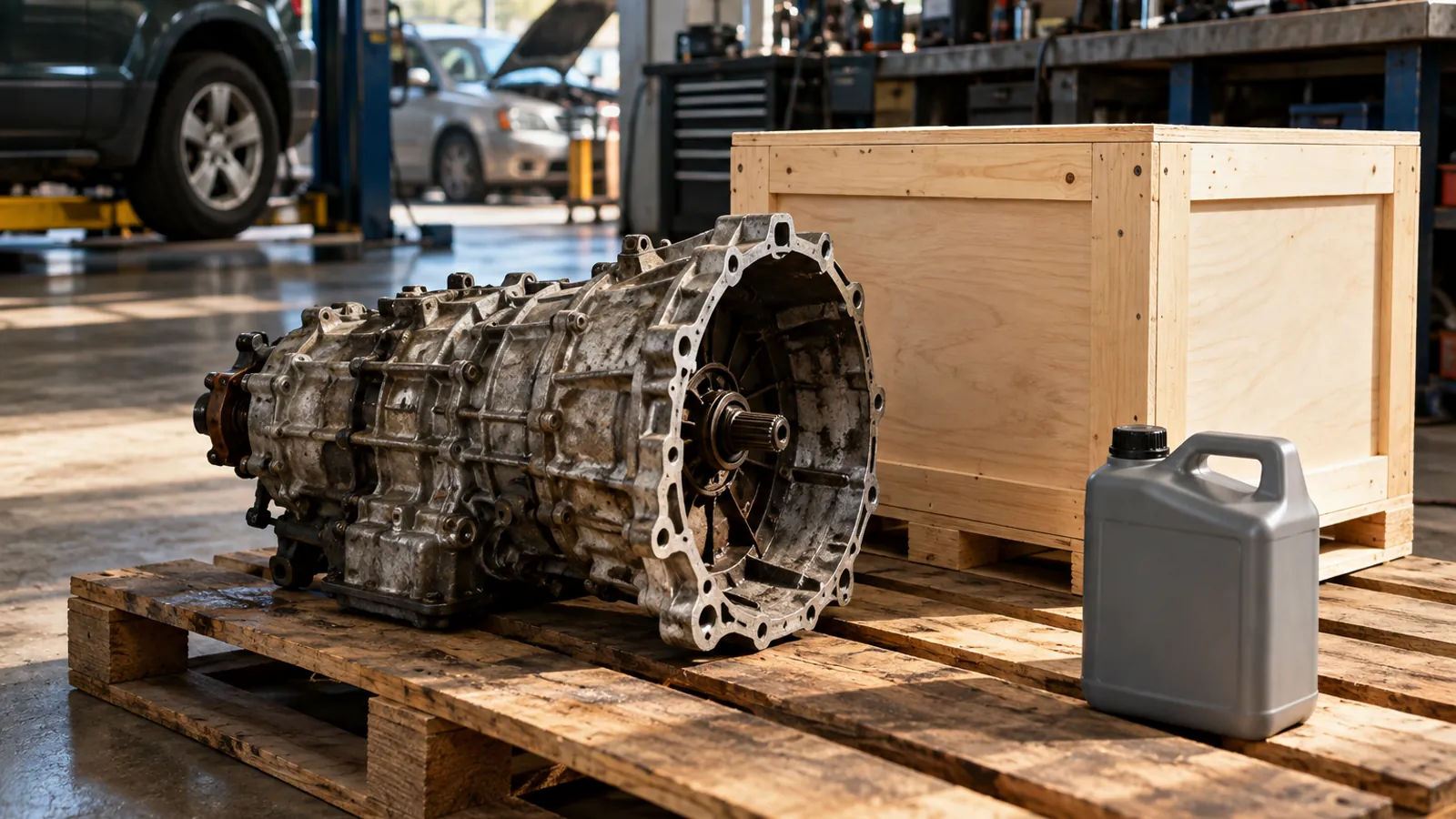
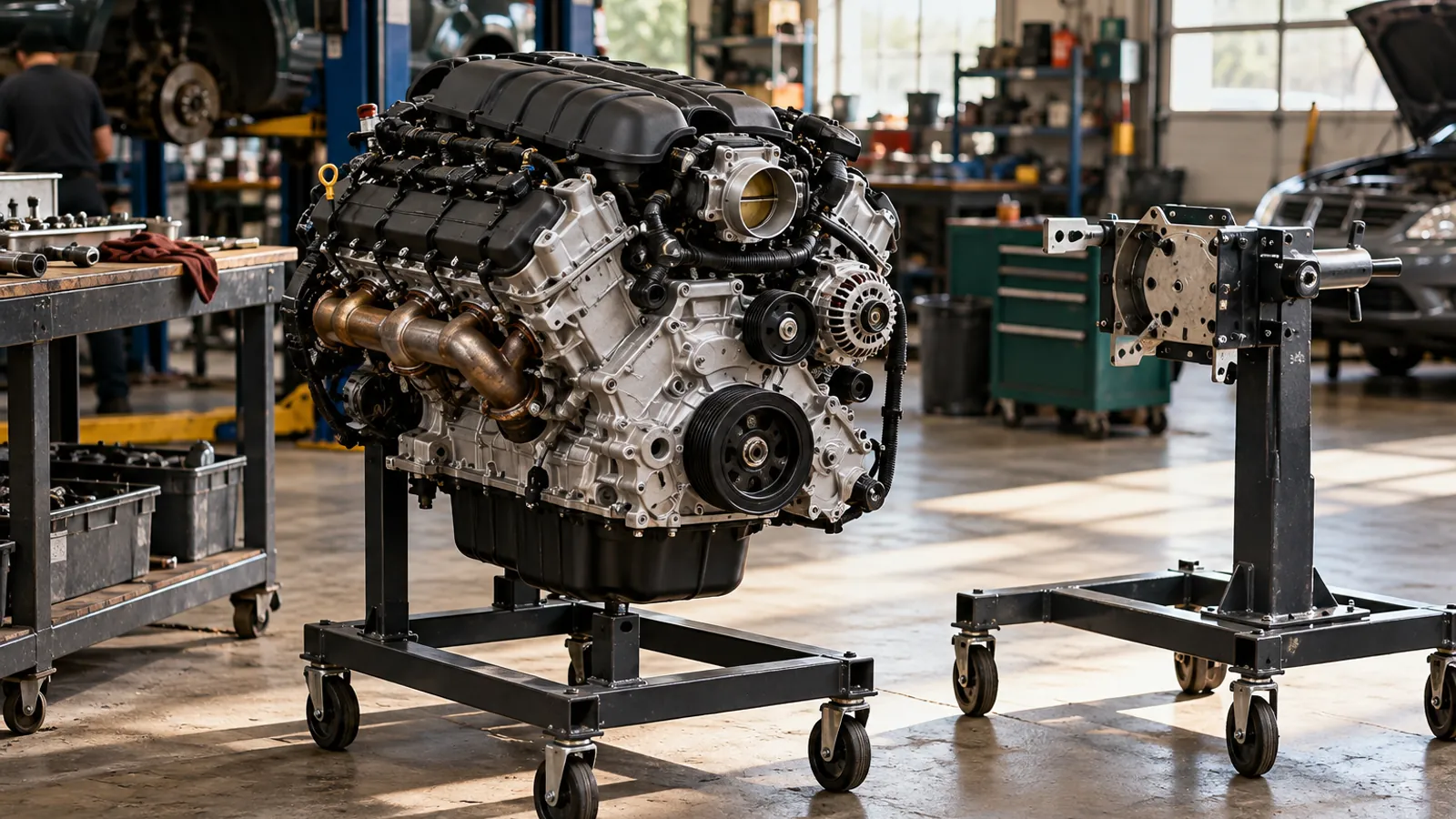
Before comparing engine or transmission parts prices, identify the exact assembly and its condition, then add the installation scope and other charges. A low online assembly price may exclude freight, core deposits, fluids, related components, or installation. This site does not sell parts or verify compatibility. The installer and supplier should confirm the unit matches the vehicle and the agreed job.
Ask who purchases the part and who handles a wrong, damaged, or defective unit. When the customer supplies it, the installer’s warranty and responsibility may differ. Obtain those terms before ordering rather than discovering the division of responsibility after the vehicle has been disassembled. A part number on a written estimate is more useful than a broad description such as replacement engine.
Record the condition and included contents
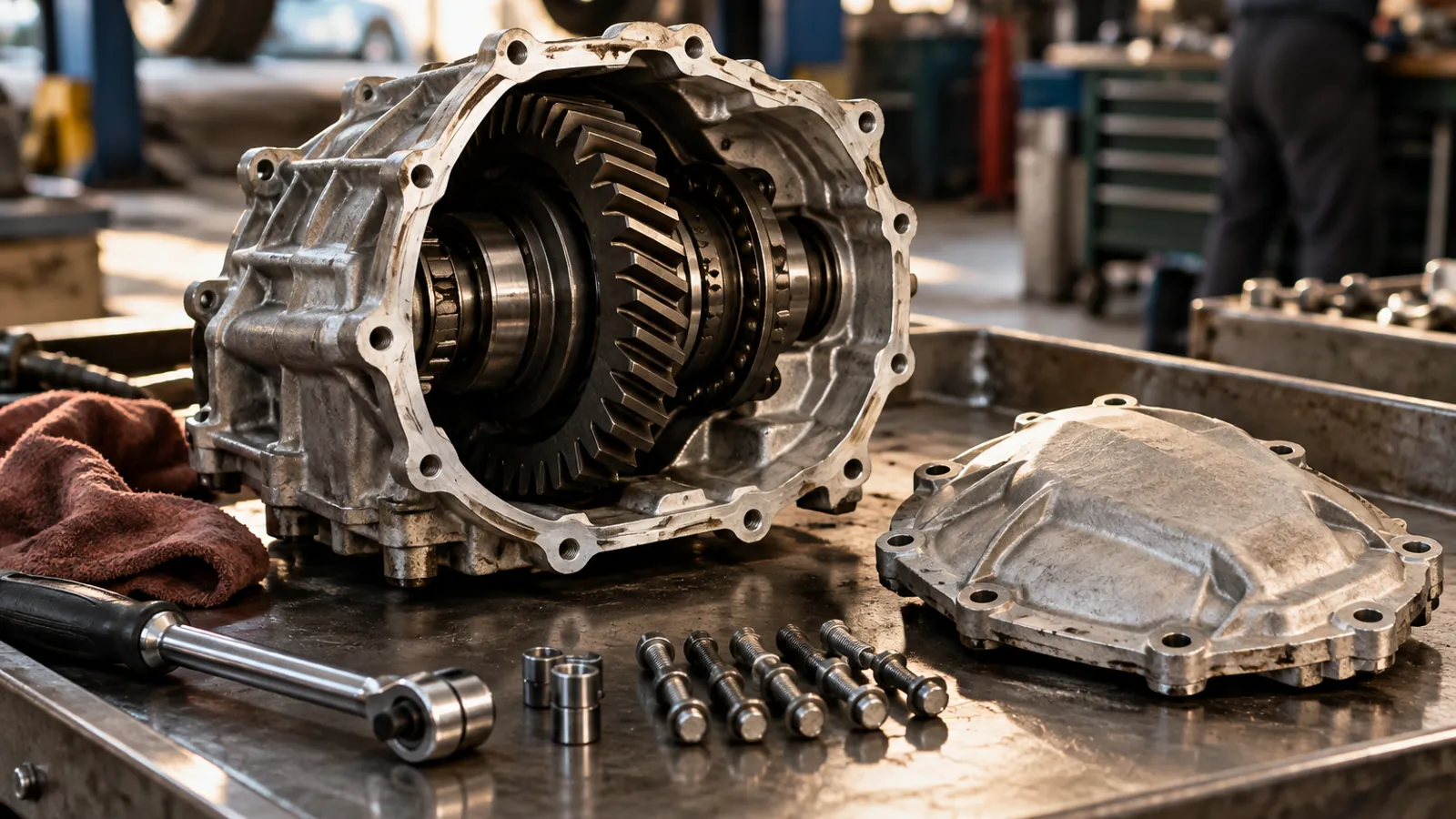
New, used, rebuilt, and remanufactured are not interchangeable descriptions. Ask the supplier or shop what the term means for the particular assembly and which components are included. Avoid assuming every remanufactured unit has the same process or that every used unit has a complete service history.
- Record the exact part number or assembly description.
- Identify included and transferred components.
- Ask about compatibility and any required setup.
- Obtain the written warranty and claim procedure.
- Ask who pays transport and installation labor on a claim.
Keep the source of each statement clear. A shop may pass along a supplier’s coverage while offering different coverage on its own labor. Ask how those promises work together and what happens when their conditions differ.
Treat a core deposit as conditional cash flow
A core deposit is a charge tied to the return of an old assembly under the supplier’s terms. It is not automatically a permanent cost, but it is also not a guaranteed refund. Ask for the return deadline, acceptable condition, required packaging, freight responsibility, and the party that receives the credit.
In an illustrative example, a $2,400 assembly plus a $300 core deposit requires $2,700 initially before other charges. If the full deposit is later accepted and refunded, the net assembly cost returns to $2,400. If return freight is separately charged or the core is rejected, the outcome differs. These numbers are arithmetic examples only. Do not reduce the initial payment budget by a refund that has not yet occurred.
Separate materials from unexplained extras
Ask whether fluids, filters, seals, gaskets, and other supporting parts are included when relevant to the job. This is not a universal required-parts list; the technician should explain the applicable procedure. If a charge is described simply as shop supplies, request the amount or calculation method and whether it is included in the quoted total.
Tax may apply differently to parts, labor, or other charges depending on the location and transaction. Rather than guessing a tax rate or taxable base, request the tax amount on the written estimate. Keep any environmental or disposal charge distinct from tax. Do not assume a fee is government-required merely because it has an official-sounding name; ask the shop what the charge represents.
Make the final invoice useful later
Before pickup, check that the invoice identifies the installed assembly and the work performed, along with charges and credits. Keep warranty documents and core-return records with it. If you requested replaced parts, confirm the arrangement before work begins; exchange or warranty parts may have different return conditions, and state rules vary.
If a credit is missing, refer to the written terms and ask when it is due. If a part differs from the estimate, ask whether the change was authorized and what it means for coverage. Do not discard packaging or supplier documentation you may need for a claim until the shop has explained what records matter. The goal is a record another professional can understand without reconstructing a series of phone conversations.
Ask before buying a customer-supplied assembly
Before ordering independently, ask the installer whether it accepts customer-supplied parts and what responsibility it takes for fit, testing, defects, and repeat labor. Ask the seller about returns after installation, freight, and any required approval before a warranty claim. Keep both sets of terms because neither party’s promise automatically replaces the other’s.
If the unit arrives damaged or differs from the order, document its condition and contact the seller before installation. Ask who arranges the return and whether the shop will charge for handling or storage. This is a planning question rather than a claim that every seller or installer uses the same policy.
Compare the full arrangement with a shop-supplied unit, including any difference in responsibility. A lower purchase price may still be attractive, but it should be evaluated with actual written terms. Do not assume that buying the part yourself necessarily saves money or necessarily creates a problem.
Questions before you decide
Is a core charge always refunded?
No. Refunds depend on the supplier’s return and acceptance terms. Ask about deadlines, condition, freight, and who receives the credit.
Does a used unit have no warranty?
Do not assume either way. Read the actual written terms, including labor and transport exclusions.
Are shop supplies the same as tax?
No. Ask the shop to identify each charge and its basis. Use the actual quoted tax rather than a guessed percentage.
Continue with the same decision
- Transmission and engine repair cost: start with the scope
- Transmission rebuild vs. replacement: compare the actual work
- Engine repair vs. replacement: what does the estimate include?
- Compare repair approaches
- Use the labor and parts worksheet
Official sources and limits
- Federal Trade Commission — Auto Repair Basics — written estimates, repair terminology, and warranty questions.
Source links checked October 30, 2026. Dollar examples are illustrative, not surveyed prices. State-specific requirements are labeled and must be checked for the location of your repair. No licensed mechanic or attorney has reviewed this guide.